

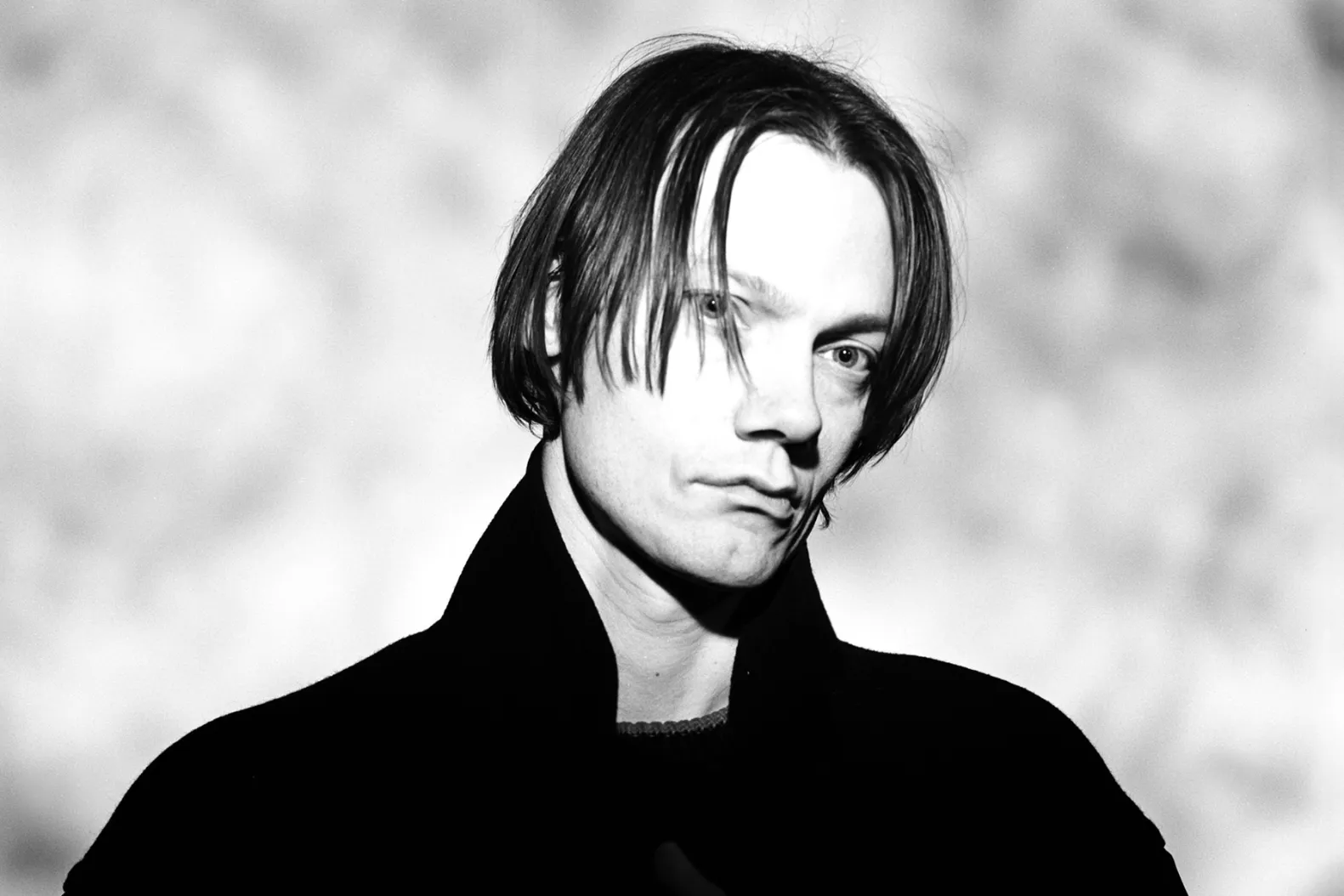
The legendary British producer, best known for transforming Madonna’s sound on Ray of Light, has died at 69. His music helped define an entire era.
The music world is mourning the loss of William Orbit, one of the most influential producers and composers of the past several decades, who has died at the age of 69.
Orbit died on July 23, 2026, at his home in London, according to his family, who announced his death on August 7. His cause of death has not been disclosed.
But talking about William Orbit means talking about much more than a producer working behind some of the biggest names in pop

The Man Behind Ray of Light
If there is one album that captures Orbit’s enormous impact on popular music, it is undoubtedly Ray of Light by Madonna.
Released in 1998, the album represented a radical transformation in Madonna’s career. Electronic music, techno, ambient textures and experimental production were fused with mainstream pop, creating a sound that became one of the defining musical statements of the late 1990s.
Orbit was at the center of that transformation.
The album went on to win four Grammy Awards and helped bring electronic music into the mainstream on a massive scale.
His creative partnership with Madonna continued beyond Ray of Light, including work connected to albums such as Music and songs including “Beautiful Stranger.”
He Also Helped Shape Blur, All Saints and U2
Reducing William Orbit’s legacy to Madonna, however, would be a mistake.
The producer played an important role in 13, Blur’s acclaimed 1999 album, and worked with major artists including U2, All Saints, Pink, Britney Spears, Robbie Williams and Melanie C.
For All Saints, Orbit produced and co-wrote “Pure Shores,” one of the most recognizable pop songs of the early 2000s.
With U2, he worked on tracks including “Electrical Storm,” while his own career as an electronic and experimental artist had begun decades earlier.
Before the Superstars Came the Underground
Long before becoming one of the most sought-after producers in the world, Orbit was already building his own musical universe.
Born William Mark Wainwright in London in 1956, he emerged from the British electronic music scene and became involved with projects such as Torch Song.
He later developed his solo career under the name Strange Cargo, creating atmospheric electronic and ambient music that anticipated some of the sounds that would eventually enter the pop mainstream.
He also gained recognition with Pieces in a Modern Style, his ambitious project reimagining classical music through electronic production.
A Producer Who Heard the Future
Perhaps William Orbit’s greatest gift was his ability to make music sound like it belonged to the future.
He didn’t simply produce songs to make them sound modern. He seemed to understand where popular music was heading before everyone else did.
His productions could be electronic yet deeply emotional, experimental yet accessible. He could take a conventional pop song and surround it with layers of synthesizers, strings, atmosphere and sound design that made it feel completely new.
During the 1990s and early 2000s, that approach helped introduce electronic textures to millions of listeners who might never have explored techno, ambient or experimental music on their own.
And he did it from inside the heart of mainstream pop.

A Legacy That Will Keep Playing
News of Orbit’s death has prompted tributes and reactions from musicians and fans across generations, many remembering his groundbreaking work with Madonna, Blur and All Saints, as well as his broader influence on electronic and pop music.
His death is also a reminder of something that is often forgotten:
Great records rarely have just one hero.
Behind a superstar, a hit single or an album that changes the course of a career, there is often a producer capable of hearing something that nobody else can hear yet.
William Orbit was one of those producers.
And whenever Ray of Light, Pure Shores, Electrical Storm or 13 begins to play, his presence will still be there.
Because William Orbit didn’t simply produce songs.
He helped design the sound of an era.
William Orbit
1956–2026
The man who turned electronic music into pop emotion.